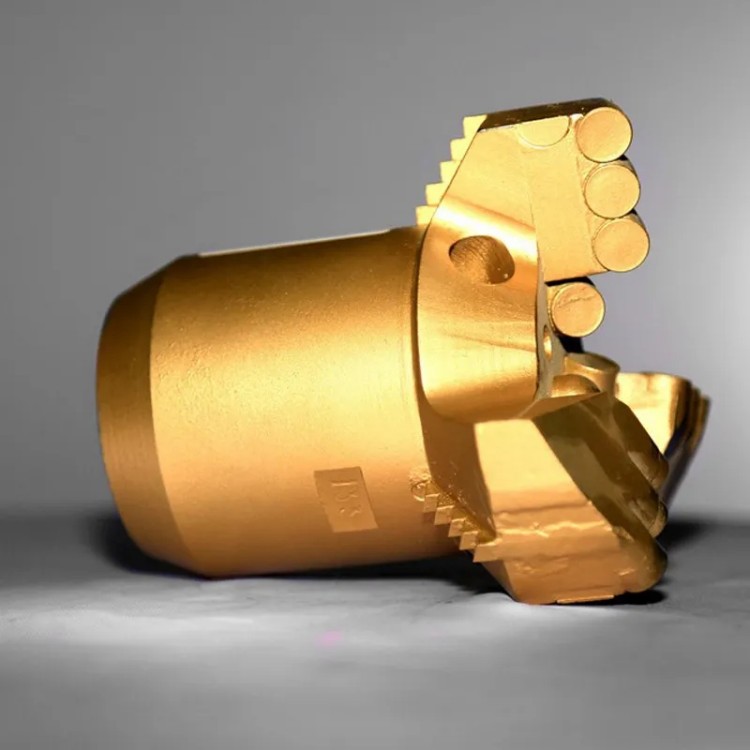
Date: May 2026
Location: China
Drilling deep water wells with jinghe friction welded drill pipes requires proper groundwater investigation and suitable drilling equipment. Professional geological surveys can help determine groundwater depth, aquifer location, and rock conditions, improving drilling success and reducing costs.
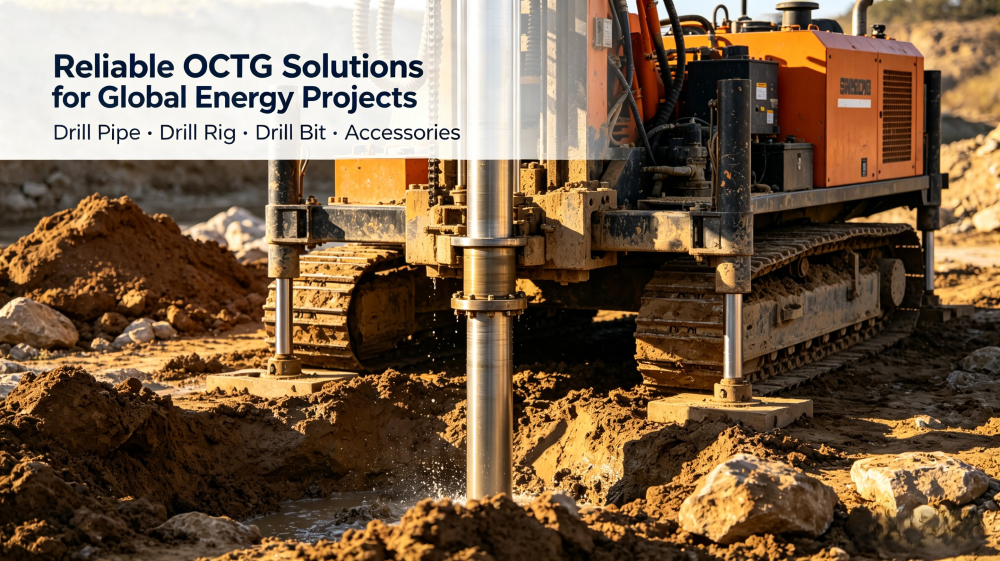
Key Preparations Before Drilling
1. Conduct Groundwater Surveys
Before drilling, investigate:
• Groundwater depth
• Aquifer distribution
• Geological structure
• Water yield potential
Professional hydrogeologists can provide accurate groundwater analysis for deep well projects.
2. Use Reliable Drilling Equipment
Modern drilling rigs and high-strength friction welded drill pipes improve:
• Drilling efficiency
• Pipe durability
• Hole stability
• Operational safety
Groundwater Exploration Methods
1. Choose Low-Lying Areas
Groundwater is often easier to find in:
• Valleys
• Depressions
• Mountain foothills
Areas between sand dunes
These locations usually collect and store underground water.
2. Look for Impermeable Layers
In fractured limestone or mountain regions, impermeable rock layers can trap groundwater above them, forming shallow aquifers suitable for water wells.
3. Target Weathered and Fractured Rock Zones
In igneous and metamorphic rock areas, groundwater is commonly found in weathered crusts and fractured zones near the surface.
4. Focus on Fracture-Rich Areas
Fault zones, intrusive rock areas, and dense fracture systems often contain concentrated groundwater resources and are ideal locations for deep well drilling.
Conclusion
Successful deep water well drilling depends on proper site selection, groundwater exploration, and durable friction welded drill pipes. Careful preparation can improve drilling efficiency and ensure a stable water supply.